
Why audience observation is a great way to evaluate your event
How has your summer been? For me, summer usually includes at least some events where I’m an attendee rather than an organiser. That included a music festival in Cumbria last weekend that we’d never been to before. It was a powerful reminder that while it’s the content that gets you through the door of an event what keeps you there is the experience.
Good on paper might not mean good in reality
This festival looked great from the outside – bands that my partner and I love and a selection of other non-musical happenings to keep my daughter occupied. But the devil, as always, is in the details. In the evenings if you weren’t watching the bands or drinking there was nothing, and I mean nothing, else to do. Even the supposed chill-out space was loud (right next to the main stage) with bright flashing lights. And all the nature-related talks and offerings which my daughter would have enjoyed were scheduled for early in the morning, including early on the first day when most people (including us) hadn’t even arrived.
It’s exactly the kind of thing I often see in schedules for research events. Organisers assume the speakers are the main draw so they cram them in with minimal breaks, little quality control, and no alternative for people who need a break or might prefer to learn in a different way.
Most people won’t tell you they are not happy (at least not in words)
So how can you tell if people at your events are not happy? Ah, well this is where it gets tricky. We’re all terribly British about these things and don’t like to complain. An anonymous feedback survey won’t cut it either as unhappy punters often see it as another waste of time.
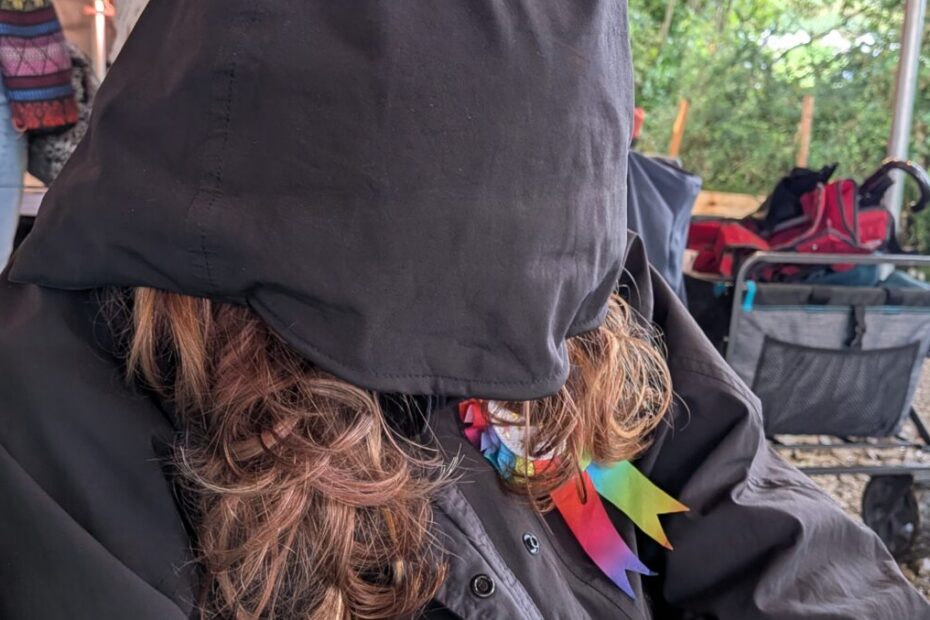
Instead you need to watch behaviour and body language. The photo above is my daughter at said festival, making it pretty clear she was checked out. Adults are less blatant, but the signs are there if you know what to look for. Fidgeting, phone scrolling, sitting at the back for a quick exit, deathly silence when you ask for questions, attendance that dwindles over the course of the day, sudden family emergencies. These are all signs that all is not well.
So what can you do about it? It depends. Sometimes you can intervene, cut a session short or mix things up a bit. Other times you just have to chalk it up to experience and learn from it for next time.
But trust me – when it comes to event evaluation, body language beats a questionnaire every time. If you need some advice on event evaluation that goes beyond happy sheets then get in touch.
