
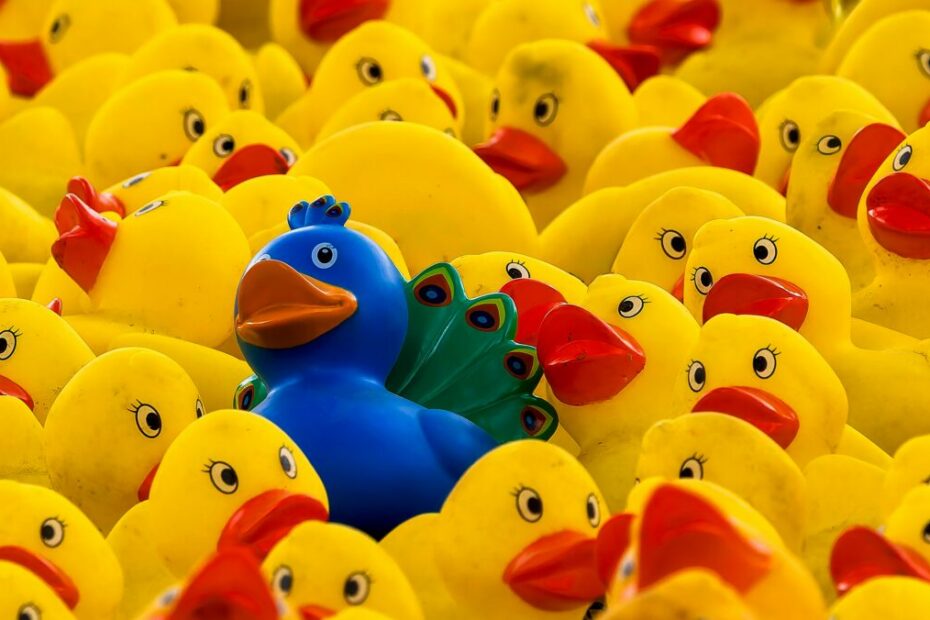
Adapting events to make them more accessible or engaging can have far-reaching effects
It’s confession time. If (or should I say when!) we meet in person, please don’t take it the wrong way if I can’t quite place you. I am a sociable soul, but my memory isn’t great and I have a lot of trouble matching names and faces sometimes.
I’d love to blame age or social media overwhelm, but I’ve always been this way. Despite this face blindness, I’ve managed to run volunteer programmes like STEM Ambassadors and taught 100s of students without offending too many people. In the days before smartphones I used to take photos of everyone I needed to remember on an old-school camera and create sheets matching names and faces. Now LinkedIn and Google image search are lifesavers for me sometimes. And how good is it that video calls match up everyone’s name and faces automatically? This is definitely a situation where technology has made my life better.
But my poor memory can make IRL events fraught sometimes. I will walk straight past people I have known for years, or spend ages asking cryptic questions of someone I know I know, but can’t quite place. There is a woman I’ve gone to yoga classes with for years who remembers my daughter’s name and where I grew up, but I can’t, for the life of me, remember her name. I’m pretty sure it’s either Alison or Penny. Or maybe Polly?
Small acts of kindness help everyone
I wrote the first draft of this post on the way to an event where I was thrilled to be meeting a lot of people in person who I have already met online. The organiser had sent a delegate list in advance and oh my goodness, what a gift! I was able to go through the list and remind myself of what all the key people look like.
It got me thinking about how small actions like this can make events so much more accessible, and not just for people who are disabled or neurodivergent or experience the world differently. For example
- That delegate list will be useful to people who are face-blind like me, or just a bit nervous about not knowing anyone.
- Accessible venues help people with mobility problems that fall short of a disability.
- Quiet spaces can double up as a sensory escape for neurodivergent folks as well as a prayer room, breastfeeding space, or a sanctuary for people who might be feeling unwell or just overwhelmed.
- Jargon-free presentations aren’t just for lay audiences. They also help colleagues really understand and engage with the work.
Conferences and events shouldn’t be some kind of endurance test. Small acts of kindness open the door for us to genuinely connect, not as research robots, but as wonderfully diverse humans with valuable ideas and opinions to share.
Photo by Bob Jenkin on Unsplash
