
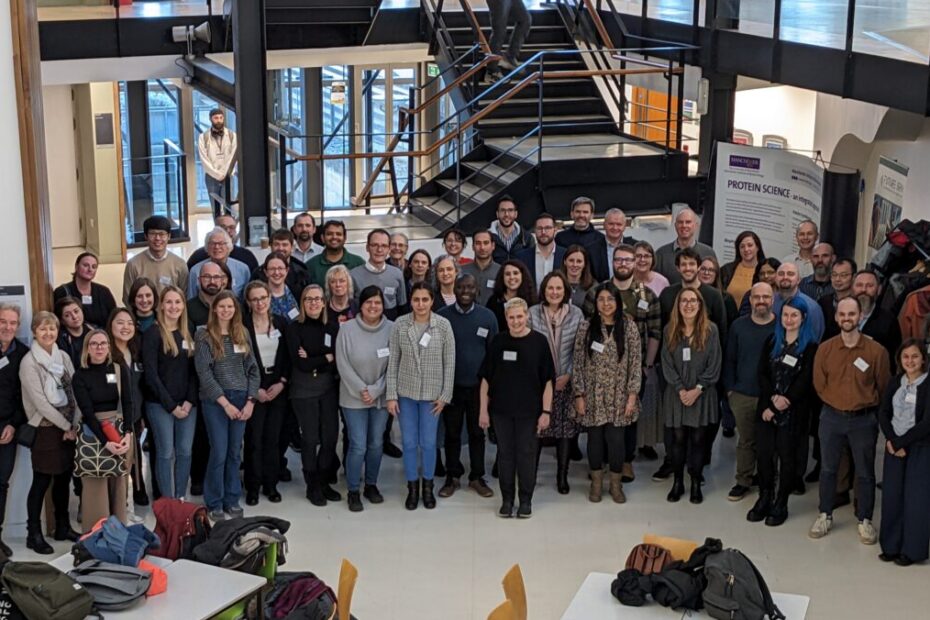
Why the most important people at your event are the ones who have actually shown up
There’s always that tricky moment when organising and event – your dream speaker declines the invitation, you can’t find a date that works for everyone, sign ups aren’t quite as brisk as you had hoped. You can find yourself going into a meeting or event already feeling a bit disappointed.
It’s easy to get hung up on wondering how things could have been. But here’s my tip for you – prioritise the people who are in the room. The ones who have actually shown up. The ones who were interested enough to vote with their feet and make the effort to attend. They are the ones who deserve your effort and attention.
The people in the room are the right people
I used to work closely with Mary Robson, a wonderful creative facilitator, and she taught me the philosophy that the people in the room, whoever they are, are the right people. And I have adopted Mary’s attitude wholeheartedly. Because it means I can shift my focus from worrying about the people who didn’t come, to connecting with the people who did come.
How to prioritise the people in the room
So, whether you are hosting a physical room or a virtual room, here are a few tips for how to make the people who show up feel like VIPs.
- Make sure people feel welcome and taken care of – hospitality is powerful, it makes people feel valued and safe. And I’m not just talking about catering. I’m talking about good old-fashioned ‘hosting’ – helping people to connect with each other and participate.
- Think carefully about recording – it can send the message that you care more about the people who didn’t show up than the ones who did. And people show up differently when they know they are being recorded – less likely to engage, more likely to self-censor, and more likely to multi-task (telling themselves they can rewatch the recording later, which they probably won’t do).
- Honour everyone’s knowledge and experience – prioritising the people in the room means ALL of the people. Maybe you need to think about who speaks. It might mean shifting some of the focus off the speakers and onto the audience. Or it might just be about providing time and space for conversation or running Q&A in a way that allows even the most introverted to participate.
